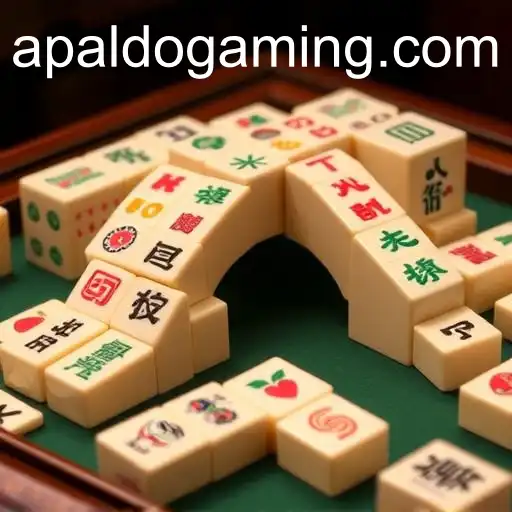
Exploring Mahjong: The Ancient Game and Its Role in Modern Society
Mahjong, a game steeped in rich tradition and history, has transcended geographical boundaries to become a beloved pastime worldwide. With its roots deeply embedded in Chinese culture, Mahjong offers players a unique blend of strategy, skill, and chance. As we delve into the intricacies of this fascinating game, we highlight the significance of APALDO, a critical concept in the Mahjong community.
The Origins of Mahjong
Dating back centuries, Mahjong is believed to have originated in China during the Qing dynasty. This enigmatic game is often linked to ancient card games played in the royal courts. Over time, Mahjong evolved, gaining structure and complexity, becoming the game we recognize today. Despite various myths and legends surrounding its origins, one thing is clear: Mahjong is an integral part of Chinese culture.
The Structure of Mahjong
Mahjong is typically played with four players using a set of 144 tiles, although there are various regional versions with differences in rules and tile counts. The tiles are divided into several suits, including bamboo, characters, and circles. Additionally, there are honor tiles that comprise winds and dragons, adding another layer of strategy to the game.
The objective of Mahjong is simple: be the first to complete a legal hand by drawing and discarding tiles to form specific sets and pairs. A winning hand consists of four melds and a pair, a structure that varies slightly depending on the version of Mahjong being played.
Understanding APALDO in Mahjong
The term APALDO might be unfamiliar to many Western players, but it holds great significance in the Mahjong community. Representing a particular strategy or concept within the game, APALDO emphasizes the importance of patience and observation, allowing for more strategic gameplay. By focusing on APALDO, players can enhance their ability to anticipate opponents' moves and make decisive, calculated maneuvers.
The Cultural Impact of Mahjong
Over the years, Mahjong has become more than just a game; it is a cultural phenomenon. In countries like Japan, Korea, and the United States, Mahjong has found a dedicated following, each adapting the game to their cultural tastes. Mahjong parlors, community centers, and online platforms have emerged worldwide, facilitating the game's growth and popularity.
The social aspect of Mahjong cannot be understated. More than a test of skill, Mahjong gatherings provide an opportunity for socializing and bonding. The game serves as a bridge, connecting people from various backgrounds, ages, and walks of life, promoting camaraderie and connection.
Mahjong in Modern Media
In recent years, Mahjong has found its way into popular culture and media, further enhancing its global appeal. From appearances in films and television series to being the focal point of video games and mobile apps, Mahjong continues to capture the imagination of new generations. As technology advances, the accessibility of Mahjong increases, making it easier than ever for enthusiasts to engage with the game regardless of location.
Online platforms offer a plethora of resources for both novice and advanced players, providing tutorials, forums, and a digital playing experience that mimics traditional gameplay. This digital revolution has allowed Mahjong to maintain its relevance in today's fast-paced world.
The Future of Mahjong
As Mahjong continues to evolve, its future looks promising. With advancements in technology and a growing interest in cultural diversity, Mahjong is set to expand even further. The development of augmented reality and virtual reality technologies presents exciting possibilities for immersive Mahjong experiences, potentially revolutionizing how the game is played and perceived.
Moreover, initiatives promoting cross-cultural exchange and appreciation of traditional games like Mahjong can lead to a deeper understanding of different cultures, fostering global unity through a shared love for this timeless game.
Conclusion: The Everlasting Appeal of Mahjong
In conclusion, Mahjong is more than just a game; it is a testament to the enduring power of cultural traditions. Its intricate design, combined with the strategic depth provided by concepts like APALDO, ensures that Mahjong remains both a challenging and rewarding endeavor. As urbanization and technological advancements continue to shape our world, Mahjong stands as a beacon of cultural resilience and adaptability, captivating the hearts and minds of players worldwide.